
Designing the Perfect Chicken Coop: Essential Chicken Coop Design Plans

Creating a safe, comfortable, and efficient home for your chickens is key to successful backyard poultry keeping. A well-designed chicken coop not only protects your birds from predators and harsh weather but also makes daily care easier and more enjoyable. Whether you are a beginner or looking to upgrade your current setup, understanding the essential elements of chicken coop design plans will help you build the perfect coop tailored to your needs.
Understanding the Basics of Chicken Coop Design Plans
Before diving into construction, it’s important to grasp the fundamental components that every chicken coop should have. These include adequate space, ventilation, nesting boxes, roosting bars, and predator protection.
Space Requirements: Each chicken needs about 3 to 4 square feet inside the coop and 8 to 10 square feet in the outdoor run. Overcrowding can lead to stress and health problems.
Ventilation: Proper airflow prevents moisture buildup and ammonia accumulation from droppings, which can harm your chickens’ respiratory systems.
Nesting Boxes: Provide one nesting box for every 3 to 4 hens. Boxes should be cozy, dark, and easy to access for egg collection.
Roosting Bars: Chickens prefer to sleep off the ground. Install sturdy roosts about 2 feet above the floor.
Predator Protection: Use hardware cloth instead of chicken wire, secure doors and windows, and consider burying fencing underground to deter digging predators.
By focusing on these basics, you ensure your chickens have a healthy and secure environment.

Key Features to Include in Your Chicken Coop Design Plans
When planning your coop, think about functionality and ease of maintenance. Here are some must-have features:
Easy Access for Cleaning and Egg Collection
Design doors and panels that open wide enough for you to clean the coop thoroughly. A hinged roof or removable side panels can make this task simpler. Place nesting boxes on the outside or with access doors to collect eggs without disturbing the hens.
Weatherproofing and Insulation
Depending on your climate, your coop may need insulation to keep chickens warm in winter and cool in summer. Use materials like foam board insulation or straw bales. Ensure the roof is waterproof and sloped to prevent leaks.
Lighting and Natural Sunlight
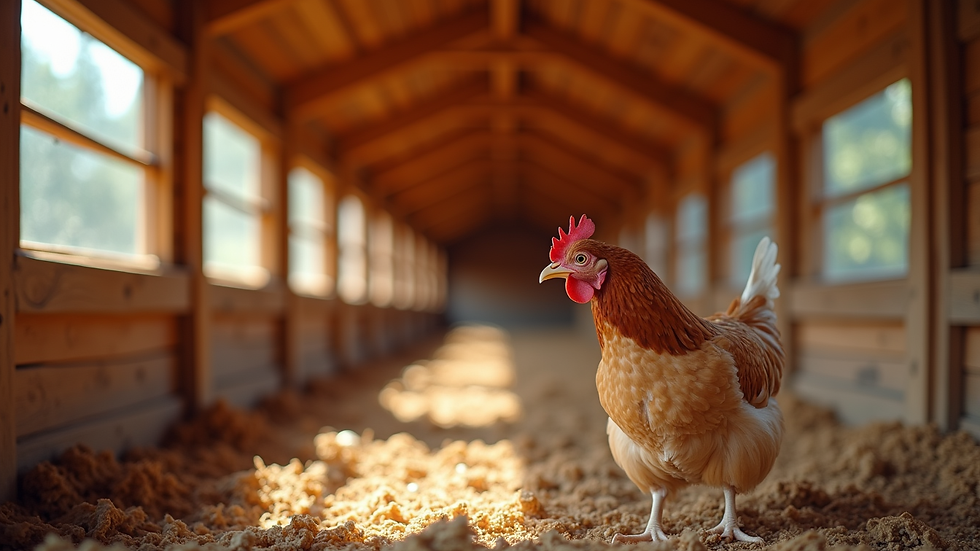
Chickens need about 14 hours of light daily to maintain egg production. Incorporate windows or translucent roofing panels to maximize natural light. In darker months, consider safe artificial lighting.
Secure Outdoor Run
An attached run allows chickens to forage safely. Use strong fencing and cover the top to protect from aerial predators. Include shaded areas and dust baths for chicken comfort.
Feeding and Watering Stations
Plan space for feeders and waterers that are easy to refill and clean. Elevated stations help reduce contamination.
By integrating these features, your coop will be both practical and comfortable for your flock.

Materials and Tools Needed for Building Your Chicken Coop
Choosing the right materials affects durability, cost, and ease of construction. Here’s a list of common materials and tools:
Materials
Wood: Pressure-treated lumber for framing and plywood for walls and floors.
Hardware Cloth: For predator-proofing windows and runs.
Roofing Material: Corrugated metal, shingles, or polycarbonate panels.
Paint or Sealant: Non-toxic, weather-resistant finishes.
Nails, Screws, Hinges, and Latches: For assembly and secure closures.
Tools
Measuring tape and level
Saw (circular or hand saw)
Drill and screwdriver
Hammer
Staple gun (for hardware cloth)
Safety gear (gloves, goggles)
Using quality materials and the right tools will ensure your coop stands the test of time.
Step-by-Step Guide to Building Your Chicken Coop
Building a chicken coop can be a rewarding DIY project. Follow these steps for a smooth process:
Plan and Design: Sketch your coop layout including dimensions, door placements, and features.
Prepare the Site: Choose a level, well-drained location with some shade.
Build the Foundation: Use concrete blocks or treated wood to keep the coop off the ground.
Frame the Structure: Construct walls and roof frame using lumber.
Install Walls and Roof: Attach plywood or siding and roofing material.
Add Doors, Windows, and Ventilation: Cut openings and secure with hardware cloth.
Install Interior Features: Put in nesting boxes, roosts, feeders, and waterers.
Paint and Seal: Apply weatherproof paint or sealant.
Build the Run: Attach fencing and cover the top.
10. Final Inspection: Check for gaps, sharp edges, and secure all latches.
Following these steps will help you create a safe and functional home for your chickens.
Tips for Maintaining Your Chicken Coop Year-Round
Keeping your coop clean and well-maintained is essential for your flock’s health.
Regular Cleaning: Remove droppings and replace bedding weekly.
Pest Control: Check for mites and lice; use natural treatments if needed.
Seasonal Adjustments: Add insulation in winter, increase ventilation in summer.
Check for Damage: Repair holes or weak spots promptly to prevent predator entry.
Monitor Chicken Health: Observe your birds daily for signs of illness or distress.
Consistent maintenance will extend the life of your coop and keep your chickens happy.
Where to Find Reliable Chicken Coop Plans
If you prefer a ready-made blueprint, many resources offer detailed chicken coop plans. These plans provide step-by-step instructions, material lists, and design ideas to suit different flock sizes and budgets. You can find a variety of options online, including free and paid versions.
For a comprehensive and easy-to-follow guide, consider exploring chicken coop plans that match your specific needs. These plans can save time and help avoid common mistakes.
Designing and building the perfect chicken coop is a fulfilling project that benefits both you and your flock. By focusing on essential design elements, using quality materials, and maintaining your coop properly, you create a safe and comfortable environment for your chickens to thrive. Whether you build from scratch or use detailed chicken coop plans, your efforts will be rewarded with fresh eggs and happy birds.


Comments