
Boost Your Gardening with Modern Greenhouses

Gardening has evolved significantly over the years, and modern greenhouses have become a game-changer for both hobbyists and professional growers. These structures provide an ideal environment for plants to thrive, regardless of the weather outside. Whether you want to extend your growing season, protect delicate plants, or experiment with exotic species, modern greenhouses offer practical solutions that can boost your gardening success.
Advantages of Modern Greenhouses
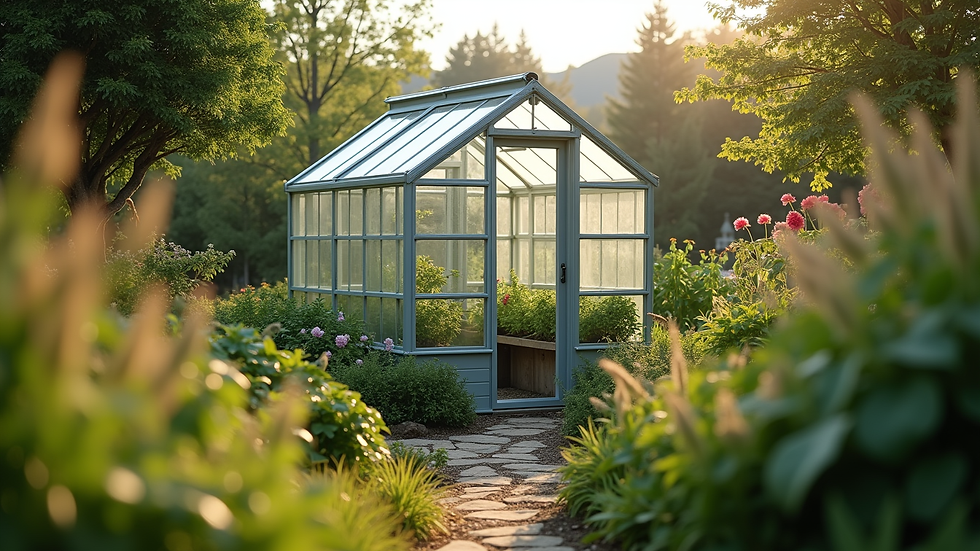
Modern greenhouses are designed with advanced materials and technology that improve plant growth and ease of maintenance. Unlike traditional greenhouses, they often feature better insulation, automated climate control, and durable construction. Here are some key benefits:
Extended Growing Season: With controlled temperature and humidity, you can grow plants year-round, even in colder climates.
Pest and Disease Control: The enclosed environment helps keep pests and diseases at bay, reducing the need for chemical treatments.
Optimized Light Exposure: Modern glazing materials allow maximum sunlight penetration while filtering harmful UV rays.
Water Efficiency: Many greenhouses incorporate rainwater harvesting and drip irrigation systems to conserve water.
Space Utilization: Vertical shelving and modular designs maximize growing space, ideal for small gardens or urban settings.
These advantages make modern greenhouses a smart investment for anyone serious about gardening.

Choosing the Right Modern Greenhouses for Your Garden
Selecting the right greenhouse depends on your gardening goals, available space, and budget. Here are some factors to consider:
Size and Location
Space Availability: Measure your garden area to determine the maximum size your greenhouse can occupy.
Sunlight Exposure: Place the greenhouse where it receives ample sunlight, ideally facing south or southeast.
Accessibility: Ensure easy access for watering, harvesting, and maintenance.
Material and Structure
Frame Material: Aluminum frames are lightweight and rust-resistant, while wooden frames offer better insulation but require more upkeep.
Glazing Options: Polycarbonate panels are durable and provide good insulation, whereas glass offers superior light transmission but is fragile.
Ventilation: Look for models with adjustable vents or automated systems to regulate temperature and humidity.
Features and Accessories
Heating Systems: Electric or gas heaters can maintain optimal temperatures during cold months.
Irrigation Systems: Automated watering reduces manual labor and ensures consistent moisture.
Shelving and Benches: Adjustable shelves help organize plants and maximize space.
By carefully evaluating these factors, you can find a modern greenhouse that fits your needs perfectly.

How to Maximize Plant Growth in Your Greenhouse
Once you have your modern greenhouse set up, optimizing plant growth is the next step. Here are practical tips to help you get the most out of your greenhouse:
Control Temperature and Humidity
Use thermostats and humidistats to monitor and adjust conditions.
Open vents or use fans to prevent overheating during sunny days.
Employ heaters or heat mats to keep plants warm during cold nights.
Choose the Right Plants
Select plants suited to greenhouse conditions, such as tomatoes, peppers, herbs, and tropical flowers.
Experiment with seedlings and cuttings to propagate new plants.
Rotate crops to prevent soil depletion and reduce pest buildup.
Maintain Soil Health
Use high-quality potting mix or raised beds with nutrient-rich soil.
Regularly test soil pH and nutrient levels.
Incorporate organic matter like compost to improve soil structure.
Implement Efficient Watering
Water plants early in the day to reduce evaporation.
Use drip irrigation or soaker hoses for targeted watering.
Avoid overwatering to prevent root rot and fungal diseases.
Monitor for Pests and Diseases
Inspect plants regularly for signs of infestation.
Introduce beneficial insects like ladybugs to control pests naturally.
Remove affected plants promptly to prevent spread.
By following these guidelines, your greenhouse will become a thriving environment for healthy, productive plants.

Sustainable Practices for Greenhouse Gardening
Modern greenhouses can also support eco-friendly gardening practices. Here are some ways to make your greenhouse more sustainable:
Rainwater Harvesting: Collect rainwater from the greenhouse roof to use for irrigation.
Solar Power: Install solar panels to power heating, lighting, and ventilation systems.
Composting: Use plant waste and kitchen scraps to create compost that enriches your soil.
Natural Pest Control: Avoid chemical pesticides by encouraging beneficial insects and using organic sprays.
Energy-Efficient Materials: Choose insulated panels and energy-saving equipment to reduce your carbon footprint.
Adopting these practices not only benefits the environment but can also reduce your gardening costs over time.
Enhancing Your Gardening Experience with Technology
Technology has transformed greenhouse gardening, making it easier and more efficient. Consider integrating these tools into your setup:
Automated Climate Control: Systems that adjust temperature, humidity, and ventilation based on real-time data.
Smart Irrigation: Sensors that monitor soil moisture and water plants only when needed.
LED Grow Lights: Supplement natural light to promote growth during shorter days or in low-light conditions.
Mobile Apps: Manage and monitor your greenhouse remotely using smartphone applications.
These innovations save time and effort, allowing you to focus on enjoying your gardening hobby.
Modern greenhouses offer a fantastic opportunity to elevate your gardening game. By choosing the right structure, optimizing growing conditions, and embracing sustainable and technological solutions, you can create a flourishing garden all year round. Explore the variety of greenhouse options available and start transforming your gardening experience today!

Comments